
Volcanism and Erosion Processes
Understand how volcanic activity and subsequent weathering by wind and water created the unique landforms of Cappadocia, such as "Fairy Chimneys.

Volcanoes that sheltered ancient cities and thermal pools shaped by millennia. Read Turkey's tectonic history directly from the land, and see how human survival adapted to a restless earth.
Step into a living laboratory where geological processes become visible. This journey guides students from the high volcanic plateaus of Central Anatolia down to the active hydrothermal terraces of Denizli, ending at the dramatic mountain-to-sea transition of the Mediterranean.
Learning-focused travel with real-world insights.
Customized journeys to fit your curriculum.
Led by professionals for in-depth exploration.
Connecting travelers with communities sustainably.
Explore the dramatic natural forces that have sculpted the Anatolian peninsula through this visual progression from volcanic highlands to the Mediterranean shore.

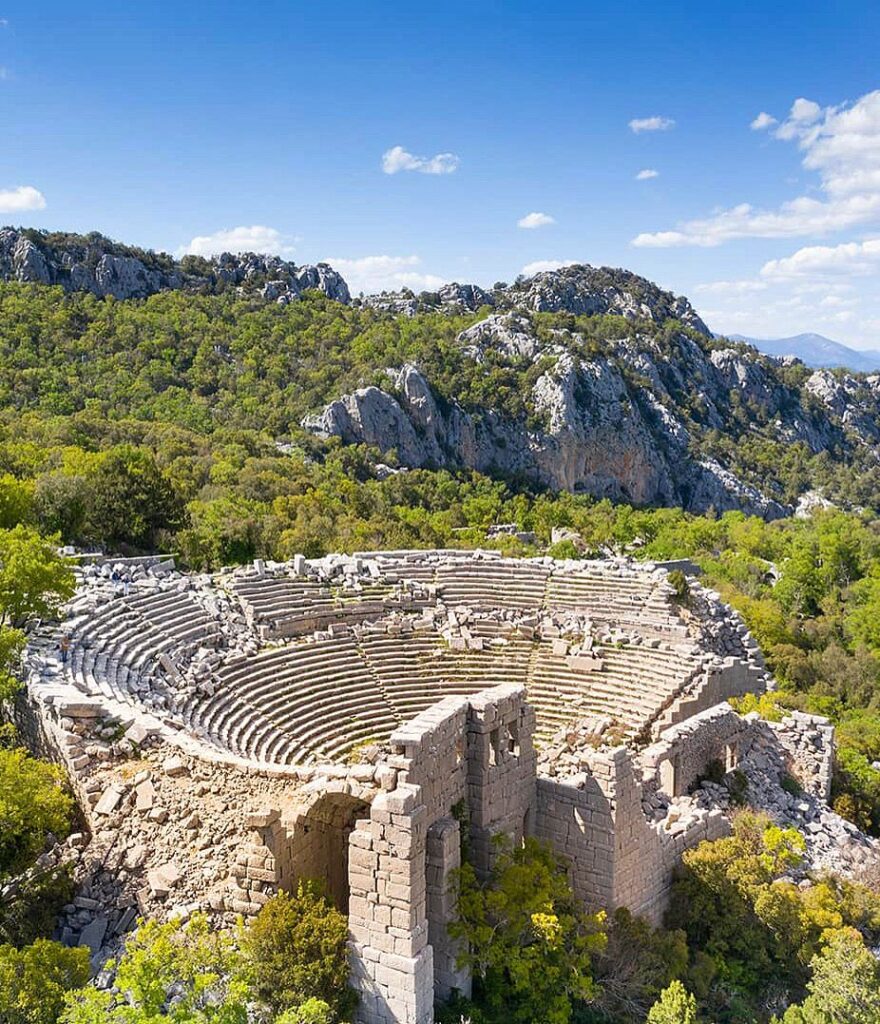

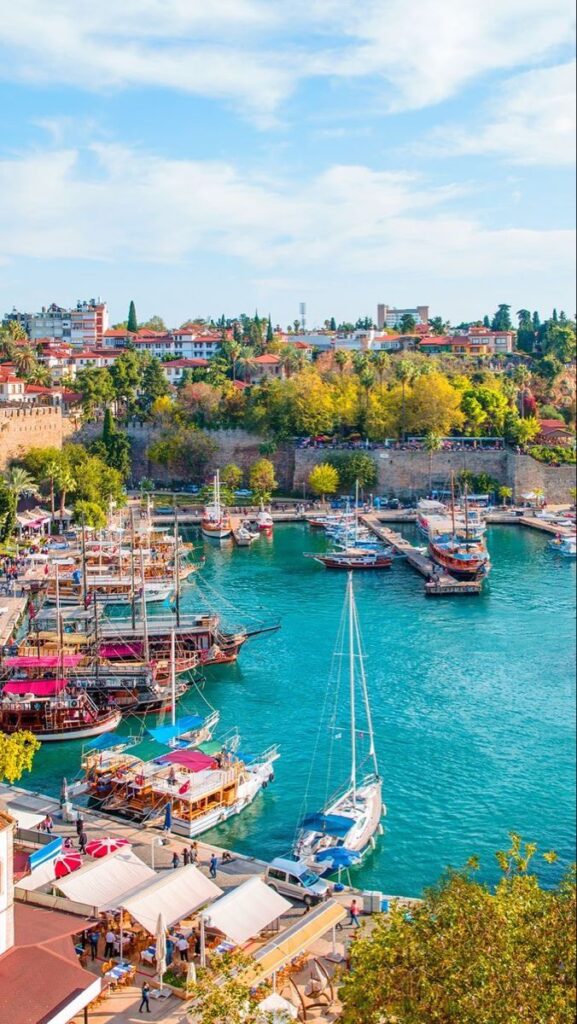
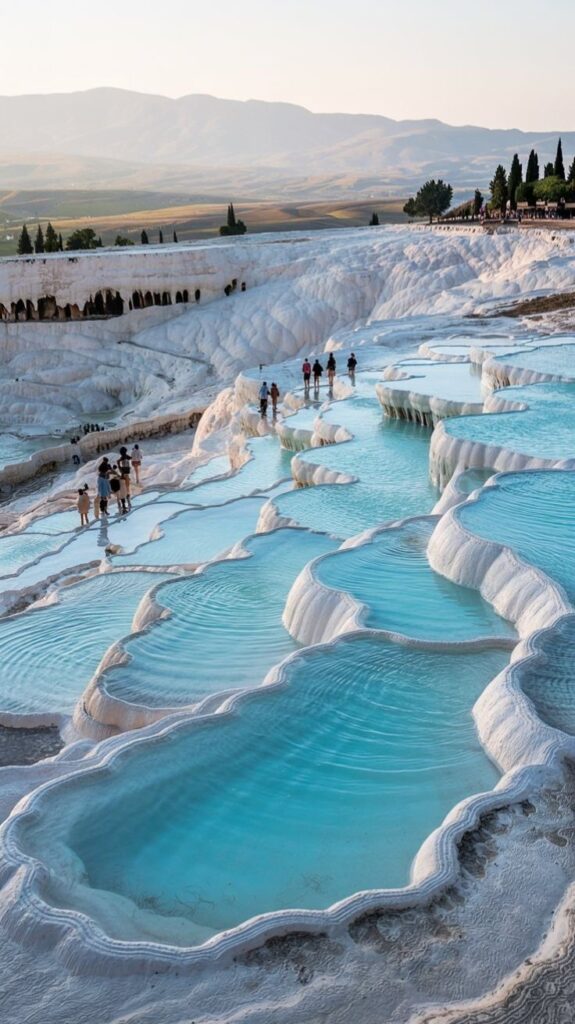
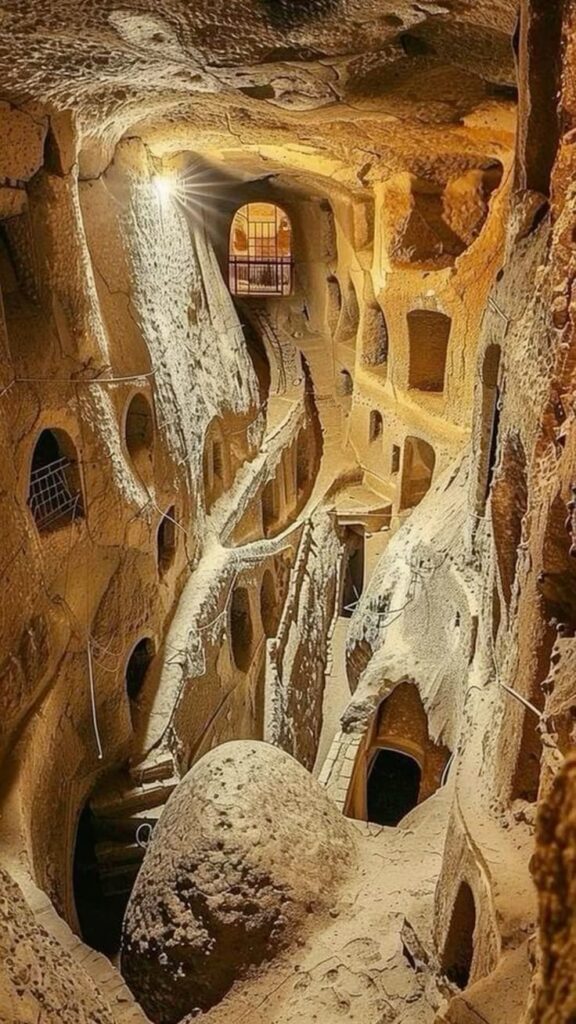
Discover how Turkey’s dramatic landscapes, geological forces, and the evolution of human-environment interactions —from volcanic dwellings to coastal hubs—have shaped its natural identity and modern geography.
Understand how volcanic activity and subsequent weathering by wind and water created the unique landforms of Cappadocia, such as "Fairy Chimneys.
Analyze how active geothermal processes and tectonic movement form the travertine terraces and thermal springs at Pamukkale.
Discover how societies adapted to their environments through underground cities, troglodyte dwellings, and modern coastal infrastructure.
Compare the high-altitude central plateaus, the Taurus Mountain range, and the Mediterranean coastal environments within a single journey.
Dive into an immersive educational journey across Cappadocia, Pamukkale, and Antalya, where geology, geography, and environmental studies reveal the complex natural processes that shaped Turkey and the Mediterranean.