
Colonial Transformation and Modern Tunisia
Understand Tunisia’s transition from colonial rule to an independent modern state through visits in Tunis and historical sites linked to global conflicts.

Carthage didn't just fall; it became the foundation for everything that followed. Walk the layers of Roman, Islamic, and colonial history to decode the cultural crosscurrents shaping modern North Africa.
Step into the crossroads of civilizations in Tunisia, where ancient empires, medieval Islamic cities, and modern historical transformations intersect. From the Roman amphitheater of El Jem to the sacred city of Kairouan, the port city of Sousse, and the historic capital of Tunis, this journey guides students through key historical periods that shaped Tunisia and its connections with the wider world.
Learning-focused travel with real-world insights.
Customized journeys to fit your curriculum.
Led by professionals for in-depth exploration.
Connecting travelers with communities sustainably.
Discover Tunisia through its remarkable historical sites and cultural landscapes. From the Roman amphitheater of El Jem and the medieval medina of Sfax to the sacred monuments of Kairouan and the historic capital of Tunis, students explore how civilizations, religions, and cultures have interacted across centuries in the Mediterranean world.
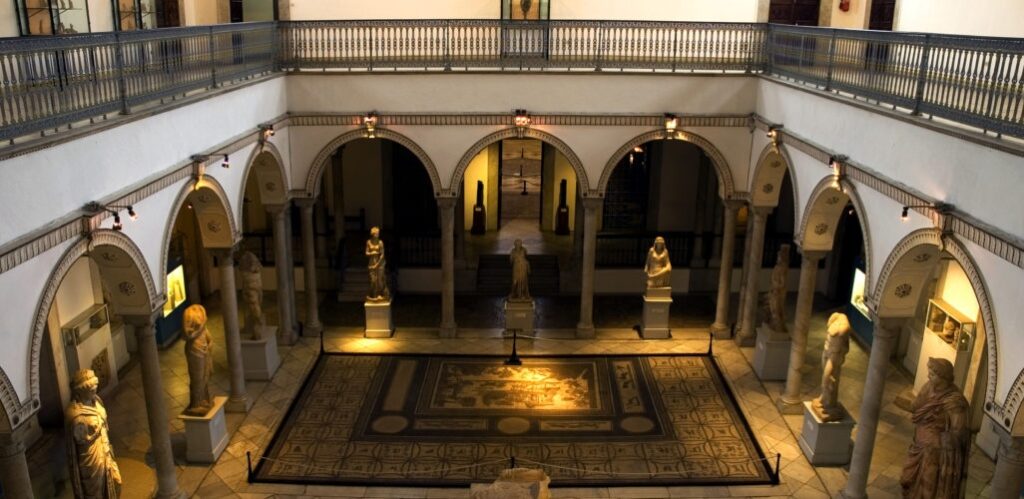


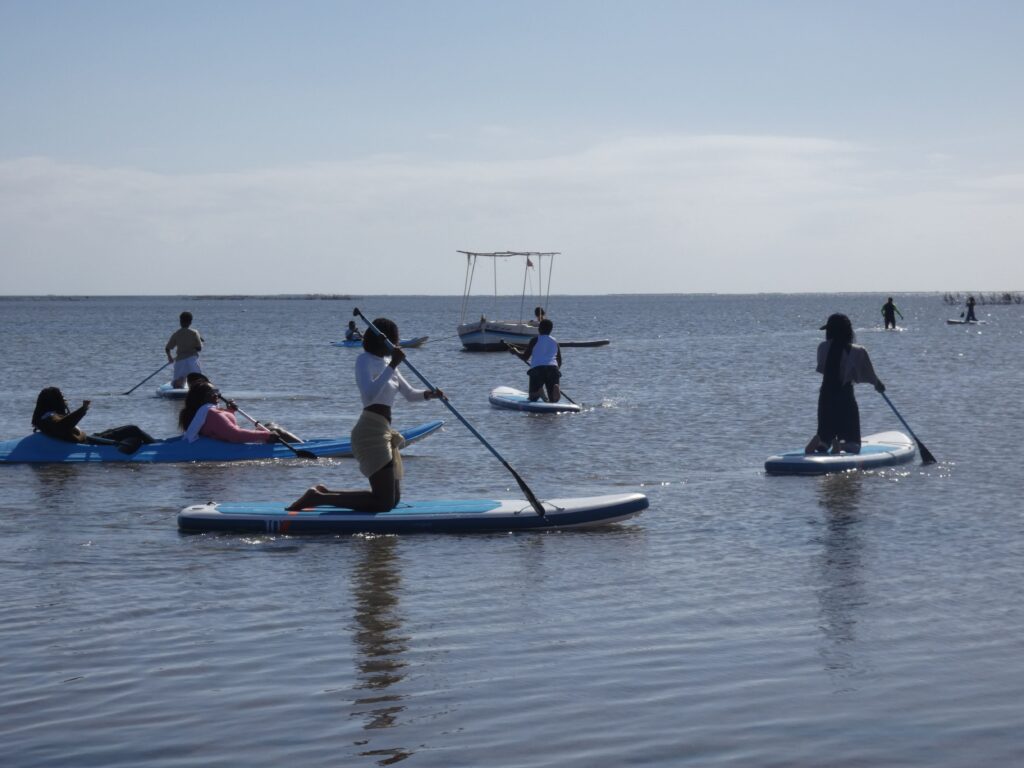
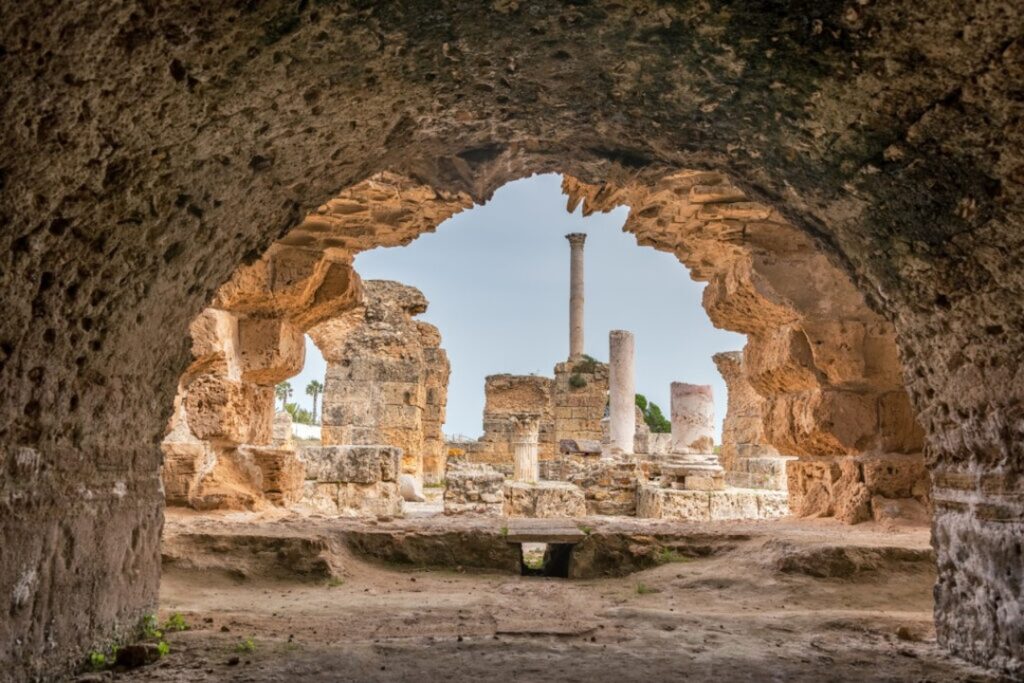
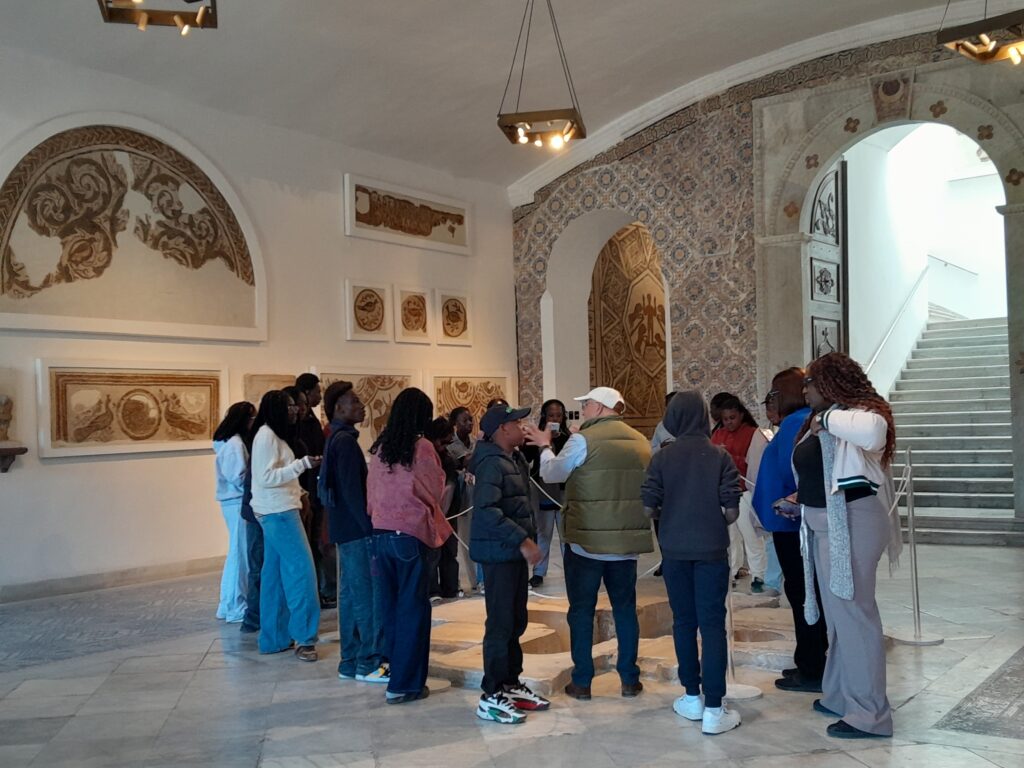

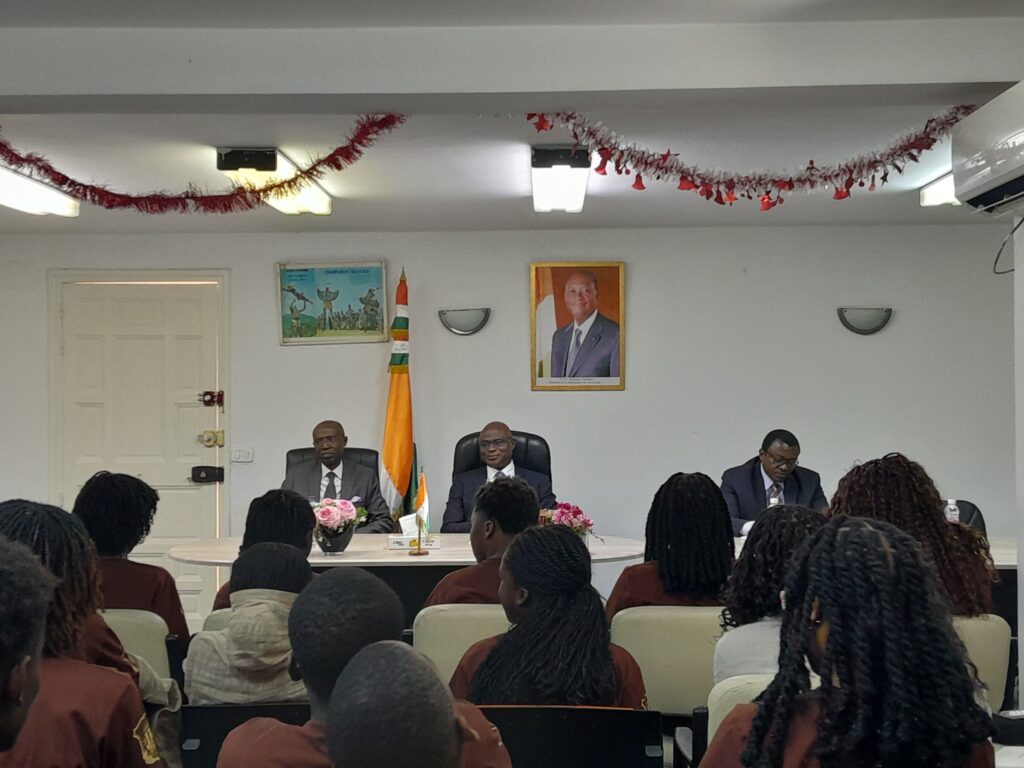


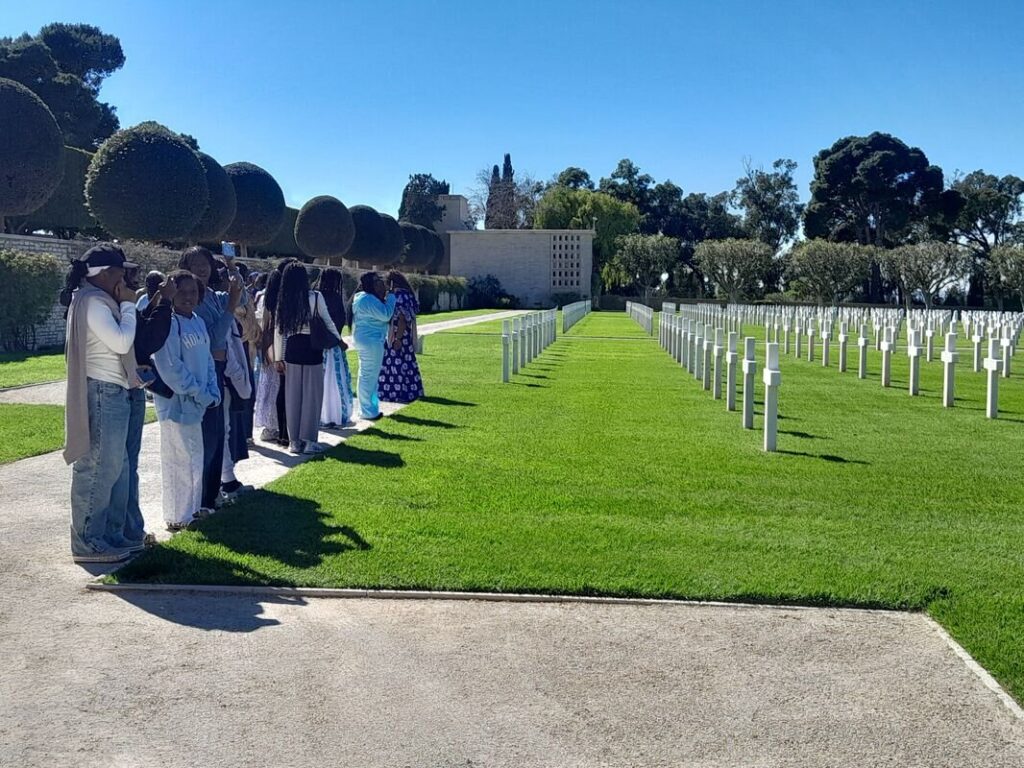
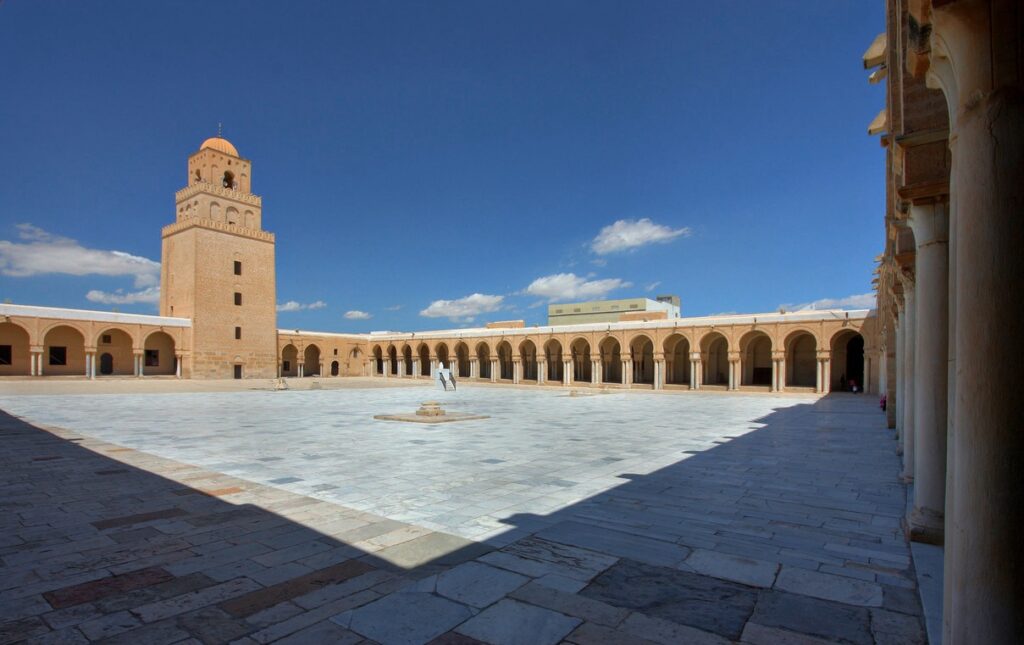
Explore how Tunisia’s historical heritage reflects centuries of cultural contact, religious influence, and political transformation.
Understand Tunisia’s transition from colonial rule to an independent modern state through visits in Tunis and historical sites linked to global conflicts.
Discover the development of Islamic cities through the medina of Sfax and the religious center of Kairouan.
Examine the role of port cities such as Sousse in commercial exchanges across the Mediterranean.
Study the Roman presence through major archaeological sites such as the amphitheater of El Jem and the ruins of Carthage.
Dive into an immersive educational journey across El Jem, Sfax, Kerkenna Islands, Kairouan, Sousse, Carthage, Sidi Bou Said, and Tunis, where archaeology, religion, trade, and political history reveal the complex interactions between civilizations that shaped Tunisia and the Mediterranean world.